
Exercise is one of the most important habits for overall health.
It improves cardiovascular function, regulates metabolism, and enhances mood through the release of endorphins.
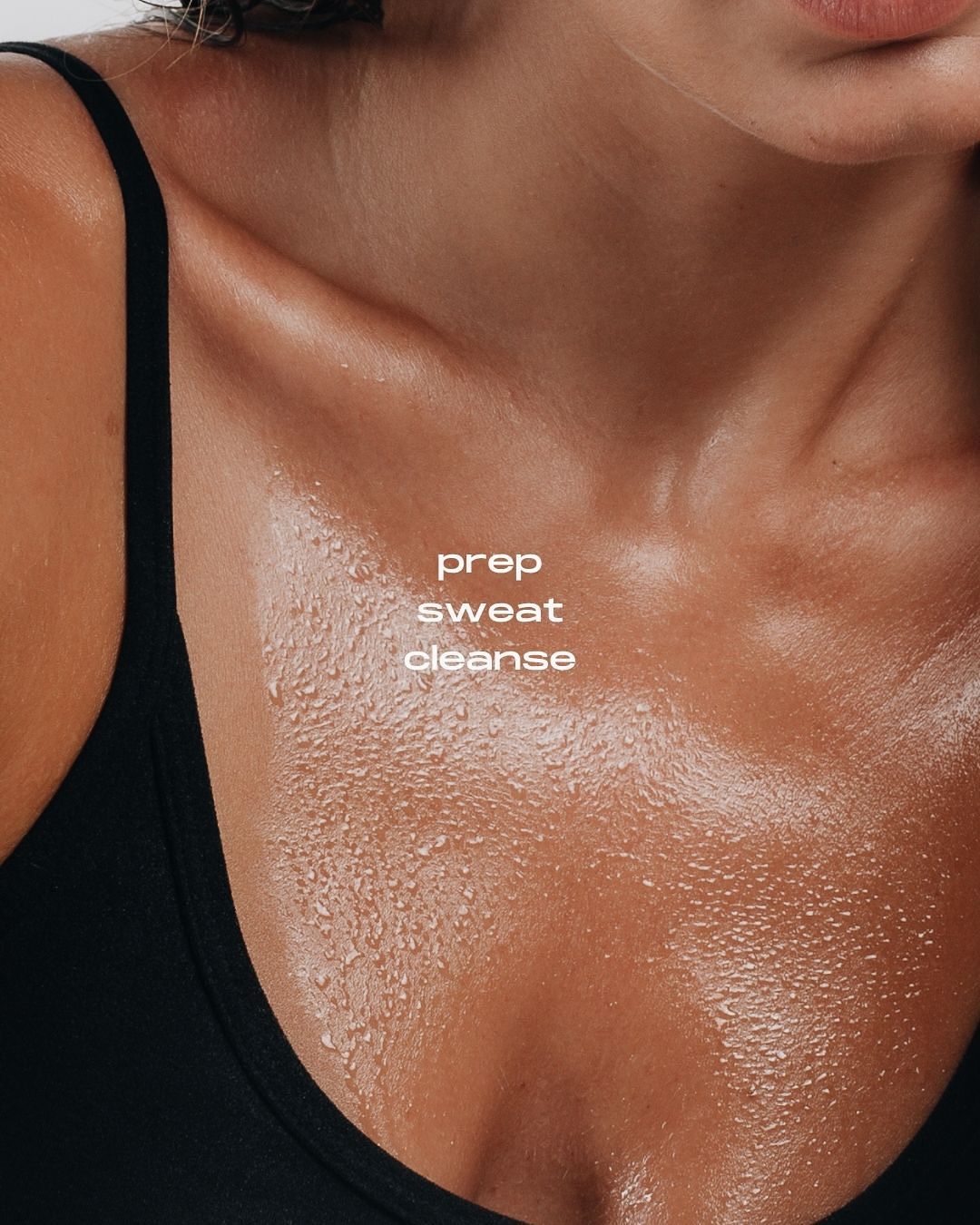
However, intense physical activity also significantly affects the skin—the largest organ of the human body.
During exercise, the skin is exposed to a range of factors that can disrupt its natural balance, including:
– Increased body temperature
– Intense sweating
– Mechanical friction from clothing or equipment
– Exposure to environmental pollutants
– UV radiation during outdoor activities
These factors can compromise the skin barrier, increase oxidative stress, and lead to dehydration or inflammatory responses (Krutmann et al., 2017).
For this reason, modern cosmetology is increasingly focusing on the concept of skin preparation before exercise.
The Skin as an Active Organ During Exercise
During physical activity, skin microcirculation increases significantly to help regulate body temperature.
This enhanced blood flow improves the delivery of oxygen and nutrients to skin tissues.
At the same time, however, the production of reactive oxygen species (ROS)—also known as free radicals—also increases (Powers & Jackson, 2008).
While free radicals are a natural byproduct of metabolism, excessive levels can lead to:
– Oxidative damage to skin lipids
– Collagen degradation
– Premature skin aging
– Weakening of the skin barrier
This phenomenon, known as oxidative stress, is one of the primary mechanisms behind skin aging.
The Role of Antioxidants in Skin Protection
Antioxidants are molecules capable of neutralizing free radicals, reducing the damage they cause at the cellular level (Lobo et al., 2010).
In skincare science, the application of antioxidants before environmental or physiological stress is considered a highly effective strategy for:
– Strengthening the skin barrier
– Protecting against oxidative stress
– Supporting the skin’s natural defense system
– Maintaining hydration and elasticity
For individuals who exercise regularly, applying antioxidants before training can act as a protective base for the skin.
Coffee Antioxidants: A Natural Defense System
Coffee is one of the richest natural sources of phenolic compounds, particularly chlorogenic acids, known for their strong antioxidant activity (Farah & Donangelo, 2006).
These compounds have been widely studied for their:
– Antioxidant properties
– Anti-inflammatory effects
– Ability to protect cells from environmental stressors
In recent years, the use of these compounds derived from spent coffee grounds—the by-product of coffee extraction—has emerged as a promising field in biotechnology and circular economy.
At KOFEA, harnessing these natural antioxidants is at the core of our philosophy:
we transform a coffee by-product into an active ingredient for skin care.
The Active Skin Routine Before Exercise
Proper skin preparation before exercise can help:
– Strengthen the skin barrier
– Reduce oxidative stress
– Maintain hydration
– Improve overall skin resilience
A simple yet effective routine includes:
Silken Serum – Antioxidant Serum
A lightweight antioxidant serum that absorbs quickly and provides immediate antioxidant support to the skin.
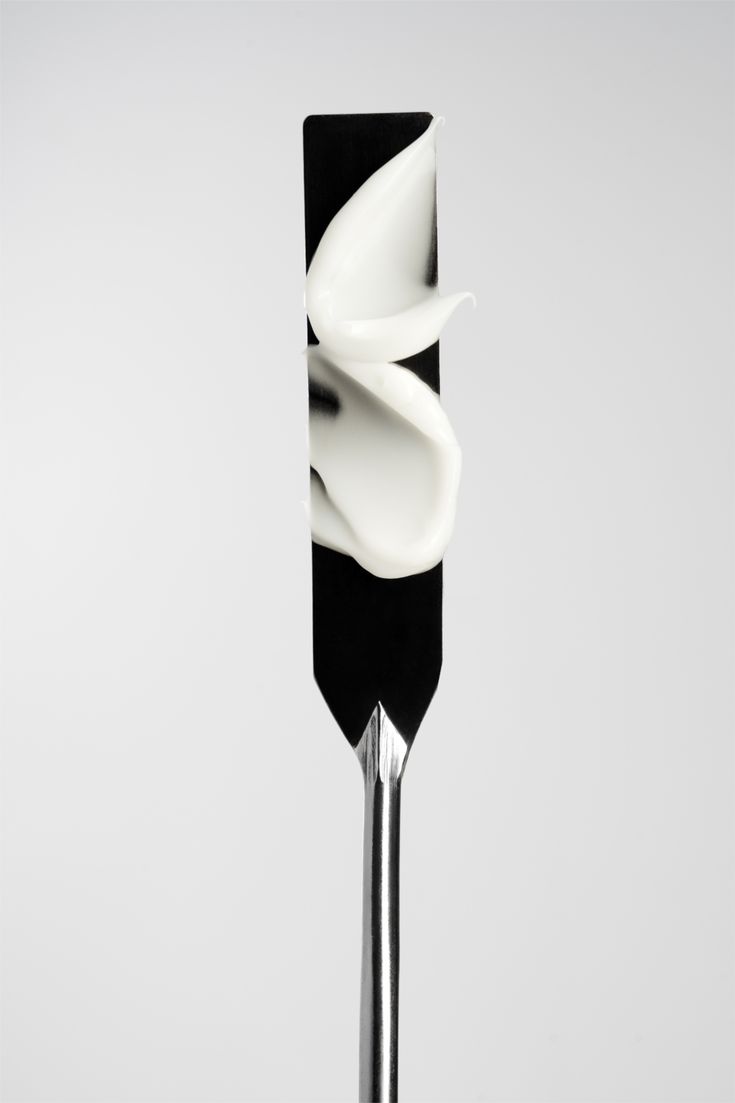
Silver Skin – Antioxidant Cream
A reinforcing cream that helps protect the skin barrier and creates a protective layer before exercise.
The combination of these two products creates a protective skincare base before training, helping the skin better adapt to the demands of physical activity.
Active Skin: The Future of Skincare for Active Lifestyles
As more people integrate exercise into their daily routines, the need for skincare products that support the skin under these conditions becomes increasingly important.
Active Skin represents a new approach to skincare—one that combines:
– Scientific knowledge
– Natural active ingredients
– Sustainable, circular production
At KOFEA, we believe skincare should evolve alongside our lifestyle.
For those who move, train, and live actively, the skin deserves the same level of preparation as the body.
References
Farah, A., & Donangelo, C. (2006). Phenolic compounds in coffee. Brazilian Journal of Plant Physiology.
Krutmann, J., et al. (2017). The skin aging exposome. Journal of Dermatological Science.
Lobo, V., et al. (2010). Free radicals, antioxidants and functional foods. Pharmacognosy Reviews.
Powers, S. K., & Jackson, M. J. (2008). Exercise-induced oxidative stress. Physiological Reviews.